Questions about safety, cost and timing come up whenever a homeowner thinks about a fireplace or stove. If you landed here after searching for “wood stove repair”, you will find those questions answered one by one, in roughly the order most people ask them. The focus is on wood-burning stove repair for homes in West Vancouver, with honest detail about what a technician does, what affects the work and what you can safely handle between visits.
That depends on where the crack is and what the stove is made of. Cracked firebricks, glass and baffles are routine replacements. A crack in a replaceable cast iron panel may be fixable by swapping the panel, if parts are still available. A crack through the main body of a steel or cast iron stove is more serious, since it can leak smoke and air, and repair is often not practical. A technician can assess the crack and tell you honestly whether repair or replacement makes more sense. If you searched for “wood stove repair” after spotting a crack, stop using the stove until it is checked.
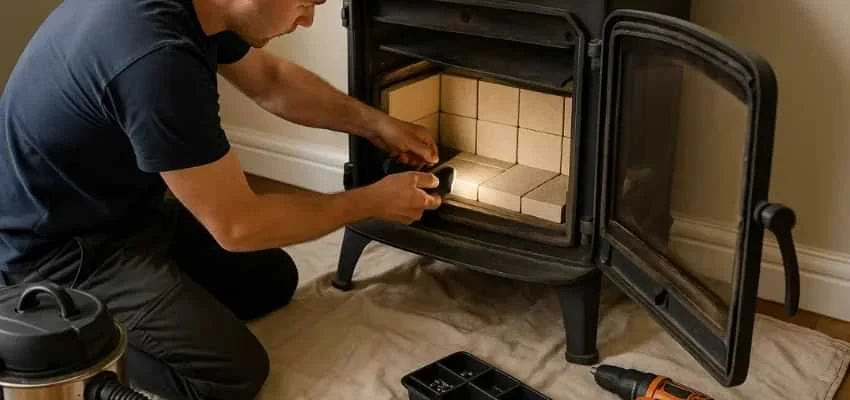
Most warning signs trace back to air leaks or heat damage, and those are what we look for first. A stove controls its fire by controlling air. When the door gasket flattens, the glass rope loosens or a seam opens up, extra air sneaks in, the fire runs hotter than intended and parts start to warp. A smoke smell, sooty streaks around the door and a stovepipe that glows or discolors are other clues. We also look for gaps between firebricks, which let heat reach the metal shell behind them. Caught early, these are routine fixes; left alone, they turn into bigger jobs.
A fireplace or stove needs cleaning when the flue turns matte black and furry with deposits, or when fires start losing their pull. We judge it by thickness and texture, but homeowners can spot the effects from the hearth. Fires get lazy, drafts weaken and the room picks up a stale smell between uses. In stoves, the glass blackens faster and the baffle collects a crust. Heavy users often reach that point before the season ends, while occasional users may go a full year or more. When in doubt, a quick inspection settles it without guesswork.
A stove that burns too hot or too fast is usually getting more air than it should. The common causes are a worn door or glass gasket, a warped door, a damaged air control, a missing or cracked baffle and gaps in the stove body. A very strong chimney draft can add to the problem. Signs include a fire that roars even with the air turned down, glowing parts and wood disappearing much faster than usual. Running a stove this way can warp parts and overheat nearby materials, so a “wood stove repair” check is worth booking before the next long burn.
The schedule depends on how much you burn and how cleanly, more than on the calendar. For a household with occasional fires, a yearly visit usually finds a light layer ready to come out. Someone heating with a stove every day may need cleaning before the season ends, especially if the wood is not fully seasoned. Signs between visits help too: black flakes on the hearth, slower starts and darker glass all suggest buildup is growing. Jot down the date of each sweep along with how heavy the deposits were, and after a season or two the right interval becomes clear.
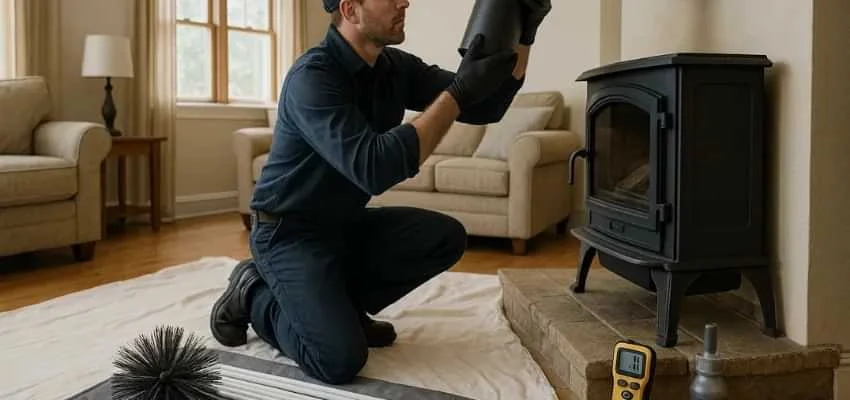
There is no need to clean the fireplace or stove before the visit, although clearing out a deep pile of completely cold ash is helpful. Technicians empty the firebox as part of the job and can learn something from what is there, such as how much creosote is falling or whether bricks are flaking. What matters most is that the ashes are cold, which can take several days after the last fire, since buried embers stay hot far longer than they look. Do take out unburned logs, kindling and decorations so the firebox is easy to reach.
Everyday upkeep is a homeowner job, but sweeping and inspecting the chimney are better left to a professional. Safe tasks include removing cold ashes, cleaning glass doors with a product made for fireplace or stove glass, keeping the hearth area clear, checking that the damper opens and closes and testing smoke and carbon monoxide alarms. Brush kits are sold, but they cannot tell you whether the liner is cracked, the smoke chamber is coated or the cap is damaged, and climbing onto a roof brings its own risk. A professional visit includes a look at the parts you cannot see.
Burning dry wood with enough air and keeping an eye on the stove’s condition keep it running well between cleanings. Give each new fire a hot start with the air control open, then turn it down gradually rather than shutting the air right down overnight, which produces more creosote. A stove thermometer on the pipe or top helps you stay out of both the smoldering range and the overfiring range. Empty the ash pan regularly, wipe the glass when it is cool and check that the door still latches firmly. If smoke escapes or the glass blackens quickly, book a check.
Ask for evidence and a written scope, and get a second opinion when the work is large, such as a new liner, major masonry or chimney work, or replacing a stove. The first company should provide photos or camera footage, a plain description of the problem and a list of what will be removed, rebuilt or replaced. A clear quote names the materials, explains how the cause of the damage will be addressed and states what is not included. If two companies disagree, ask each to explain its reasoning; the one that can show you the problem usually deserves more weight.
The quote form takes a minute or two. Add your address in West Vancouver, a line about what you need and how you would like us to reach you. Fill in the form and we will get back to you with a price and the next available times for wood-burning stove repair.
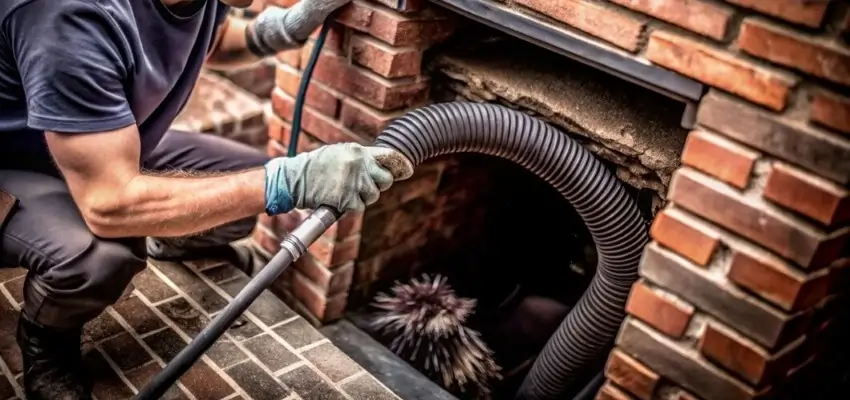
Chimney Cleaning that lifts soot and creosote in West Vancouver
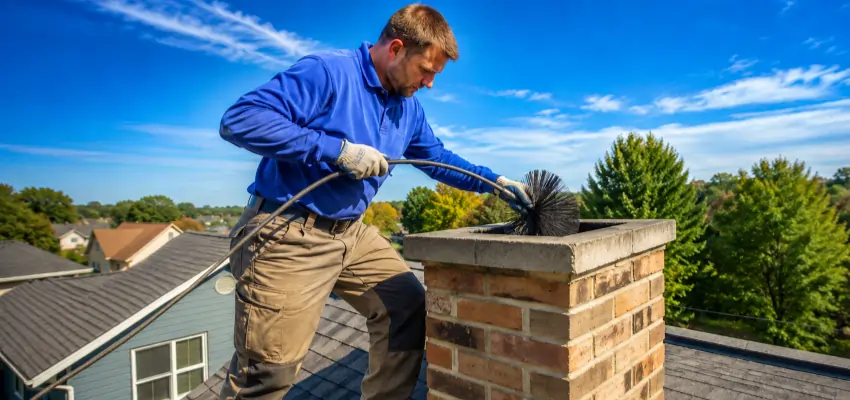
Why West Vancouver homeowners book Chimney Sweep visits yearly
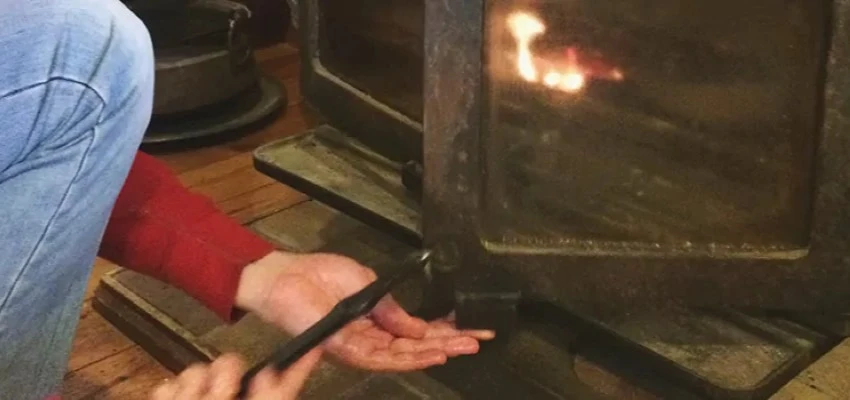
Swept and checked: Chimney Sweep Services in West Vancouver
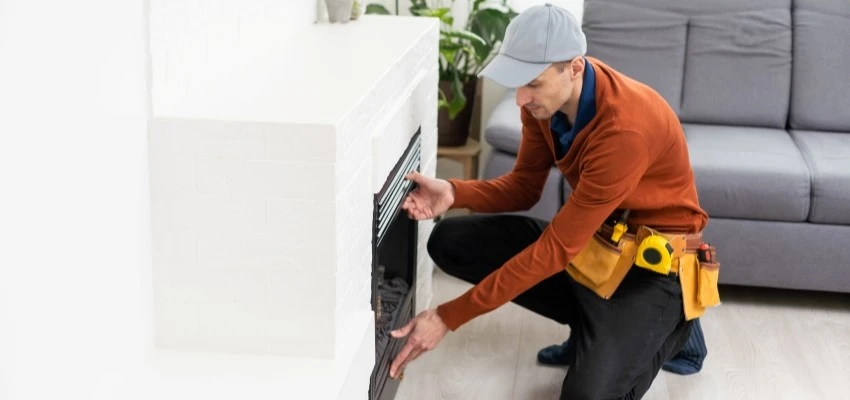
Ready for the season with Fireplace Experts in West Vancouver
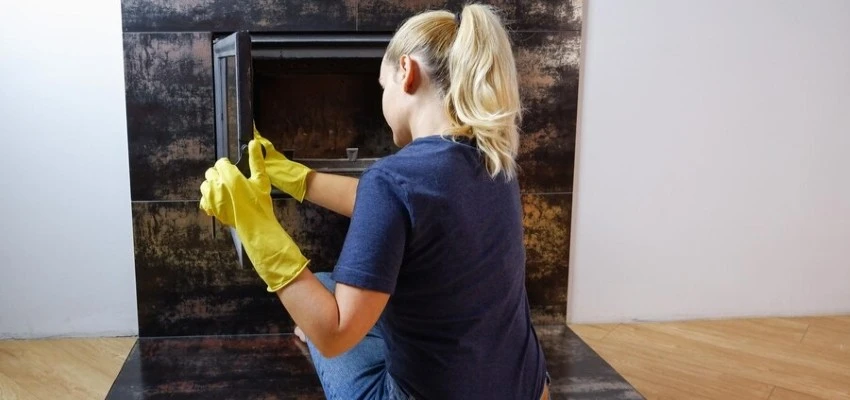
Control area vacuumed during Gas Fireplace Cleaning
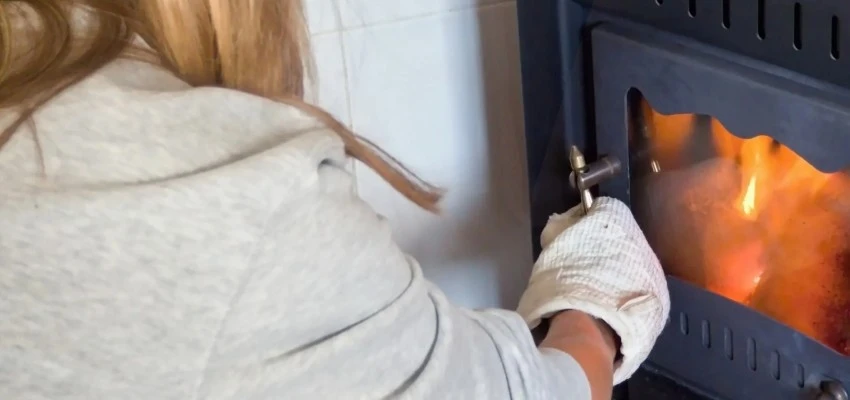
Catch a weak thermocouple early with Gas Fireplace Maintenance